
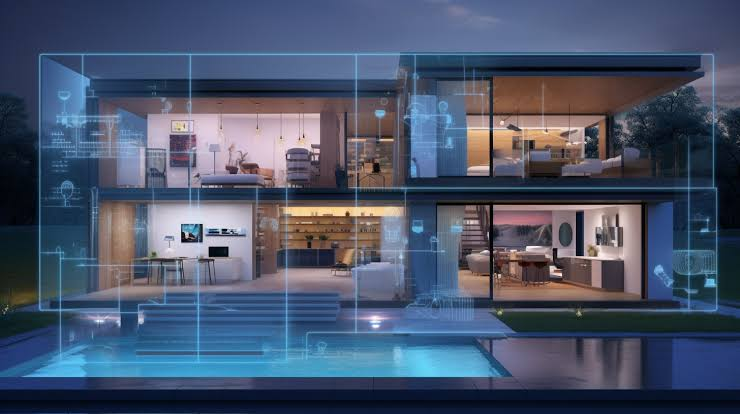
Smart homes are no longer limited to voice controlled speakers or automated curtains. Today’s homeowners expect their homes to anticipate their needs, improve comfort, reduce energy consumption, and create personalized living experiences. One of the biggest innovations driving this transformation is AI lighting automation.
Unlike traditional lighting systems that rely on manual controls or fixed schedules, Artificial Intelligence enables lighting to understand your routines, adapt to changing environments, and optimize energy usage automatically. Whether it is a luxury residence, modern apartment, hospitality project, or commercial space, intelligent lighting is becoming an essential part of smart home technology.
As AI continues to evolve, lighting is moving beyond simple automation to become a truly intelligent ecosystem that enhances convenience, wellbeing, and sustainability.
What is AI Lighting Automation?
AI lighting automation is the use of Artificial Intelligence to control and optimize lighting based on user behavior, occupancy, natural daylight, weather conditions, and personal preferences.
Instead of simply turning lights on and off at scheduled times, AI continuously learns from daily habits to create an adaptive lighting environment.
For example, AI can automatically:
- Adjust brightness according to available daylight
- Change color temperature throughout the day
- Detect occupied and vacant rooms
- Create personalized lighting scenes
- Reduce unnecessary energy consumption
- Predict user preferences over time
This makes lighting smarter, more efficient, and far more responsive than traditional automation.
Why Smart Home Technology is Evolving So Quickly
The rapid growth of smart home technology is driven by changing homeowner expectations and advances in Artificial Intelligence.
Modern users want homes that are:
- More energy efficient
- Comfortable throughout the day
- Secure and responsive
- Personalized for every family member
- Easy to control remotely
Lighting sits at the center of this ecosystem because it directly affects comfort, productivity, mood, safety, and overall living experience.
How AI Makes Lighting Truly Intelligent
Learning Daily Habits
Unlike rule based automation, AI studies user behavior over time.
For instance, if someone usually enters the kitchen at 6:30 AM, the lighting system gradually learns this pattern and prepares the space before arrival.
Over time, the system becomes increasingly accurate without requiring constant manual adjustments.
Adaptive Brightness Control
AI continuously analyzes:
- Natural daylight
- Weather conditions
- Indoor occupancy
- Time of day
- User preferences
The lighting automatically maintains ideal illumination levels while minimizing electricity usage.
This creates a comfortable environment without unnecessary energy consumption.
Human Centric Lighting
One of the most exciting developments is human centric lighting.
AI automatically adjusts color temperature based on the body’s natural circadian rhythm.
Morning:
Bright, cool white light promotes alertness.
Afternoon:
Balanced lighting supports productivity.
Evening:
Warm lighting encourages relaxation and prepares the body for better sleep.
This personalized approach improves wellbeing while making indoor environments more comfortable.
AI Lighting Automation Improves Energy Efficiency
Energy savings remain one of the strongest reasons homeowners invest in intelligent lighting.
AI helps reduce waste by:
- Switching off unused lights automatically
- Adjusting brightness instead of operating at full power
- Learning occupancy patterns
- Maximizing daylight harvesting
- Monitoring energy consumption
Compared to conventional lighting controls, AI driven systems often achieve significantly greater efficiency because they continuously optimize performance rather than following fixed schedules.
Personalized Lighting Experiences
Every person experiences lighting differently.
AI makes personalization effortless.
Examples include:
Movie Night
Lights automatically dim while accent lighting creates a cinematic atmosphere.
Work From Home
Cool white lighting improves concentration and reduces eye fatigue.
Dinner Gathering
Warm ambient lighting creates a welcoming environment.
Night Navigation
Soft pathway lighting activates only when movement is detected, avoiding harsh brightness during nighttime.
The more the system learns, the better these experiences become.
Voice Assistants and AI Working Together
Many homeowners associate smart lighting with voice assistants.
However, voice control is only one small part of AI lighting automation.
The next generation of systems combines:
- Artificial Intelligence
- Occupancy sensors
- Environmental sensors
- Mobile apps
- Voice assistants
- Predictive automation
Eventually, users interact with lighting less frequently because the system already understands what they need.
Security Benefits of Intelligent Lighting
Lighting also contributes to home security.
AI can:
- Simulate occupancy during vacations
- Detect unusual movement
- Illuminate outdoor pathways automatically
- Coordinate with cameras and security systems
- Improve visibility around entrances
These features provide additional peace of mind while enhancing everyday convenience.
AI Powered Lighting for Luxury Homes
Luxury residences increasingly incorporate intelligent lighting into architectural design.
Premium systems can manage:
- Landscape lighting
- Facade illumination
- Mood lighting
- Entertainment zones
- Home theaters
- Wellness spaces
- Swimming pools
Rather than treating lighting as a standalone feature, designers now integrate it into the complete smart home experience.
Future Trends in AI Lighting Automation
The future of AI lighting automation extends well beyond simple convenience.
Emerging innovations include:
Predictive Lighting
AI will anticipate user needs before actions occur.
Emotional Lighting
Future systems may respond to stress levels or emotional wellbeing using wearable technology.
Health Monitoring
Lighting may support sleep quality, productivity, and wellness through advanced circadian optimization.
Greater Sustainability
AI will continue reducing electricity consumption through smarter resource management.
Fully Connected Smart Homes
Lighting will increasingly communicate with HVAC, security, blinds, entertainment systems, and appliances to create a unified intelligent environment.
Why AI Powered Lighting Matters
Smart lighting is no longer just about convenience.
It contributes to:
- Better quality of life
- Lower energy costs
- Increased property value
- Improved wellbeing
- Greater sustainability
- Enhanced security
- Personalized everyday experiences
As Artificial Intelligence continues to evolve, lighting will become one of the most intelligent systems within modern homes.
Frequently Asked Questions
What is AI lighting automation?
AI lighting automation uses Artificial Intelligence to learn user behavior and automatically optimize lighting for comfort, efficiency, and convenience.
How is AI lighting different from traditional smart lighting?
Traditional smart lighting follows predefined schedules or manual commands. AI powered lighting continuously learns, adapts, and improves based on user habits and environmental conditions.
Does AI lighting save electricity?
Yes. AI reduces unnecessary energy usage by optimizing brightness, occupancy detection, daylight harvesting, and automated controls.
Can AI lighting improve sleep?
Yes. Many AI lighting systems support circadian lighting by adjusting color temperature throughout the day, helping maintain healthier sleep patterns.
Is AI lighting suitable for existing homes?
Many modern AI enabled lighting systems can be integrated into both new construction and renovation projects, depending on the existing electrical infrastructure and compatibility with smart home devices.
Final Thoughts
The future of smart home technology is increasingly intelligent, connected, and adaptive. AI lighting automation is leading this transformation by creating environments that respond naturally to everyday life rather than relying on fixed schedules or manual controls.
As homeowners continue to prioritize energy efficiency, wellness, convenience, and sustainability, AI powered lighting will become an essential element of every modern living space.
Whether planning a new home or upgrading an existing one, investing in intelligent lighting today is a step toward a smarter, more responsive future.