
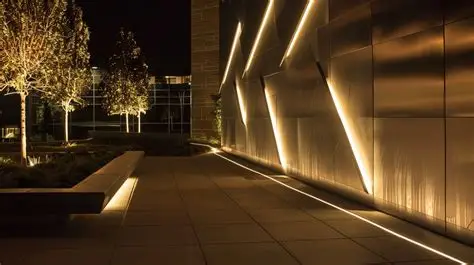
A building can look completely different after the sun goes down. During the day, its architecture is shaped by natural sunlight, shadows and changing weather conditions. After sunset, artificial lighting takes over and creates a new opportunity to define how the building is seen, experienced and remembered.
This is where architectural lighting design becomes an important part of architecture. Lighting is not simply about making a building visible at night. Thoughtfully planned lighting can highlight architectural details, establish a mood, improve navigation and create a distinctive visual identity.
From residential buildings and hotels to offices, retail spaces and public landmarks, the right lighting can transform an ordinary nighttime exterior into an engaging architectural experience.
Casa De Mirdad understands that lighting should complement architecture rather than compete with it. With careful planning and attention to the character of each space, lighting can reveal details that may not be noticeable during the day and give buildings a strong presence after sunset.
What Is Architectural Lighting Design?
Architectural lighting design is the process of planning artificial lighting to enhance the architectural features, function and atmosphere of a building or space.
It involves much more than deciding where to install light fixtures. A lighting design considers factors such as the building’s structure, materials, surroundings, purpose, viewing angles and the experience people should have when they interact with the space.
For an exterior, the design may focus on entrances, columns, façades, windows, landscaping and architectural details. For an interior, lighting can be used to define rooms, highlight surfaces, support activities and create a particular atmosphere.
The goal is to create a lighting environment that feels intentional and works naturally with the architecture.
Why Does Lighting Matter After Sunset?
Once natural light disappears, the building’s visual identity depends largely on artificial illumination.
Without proper planning, a building may appear flat, overly bright or difficult to navigate at night. Excessive lighting can also hide architectural details rather than highlighting them.
A well designed lighting scheme creates layers of light. Some areas may receive stronger illumination while others remain more subtly lit. This contrast helps establish depth and allows important architectural features to stand out.
The result is a building that can have a completely different character after sunset.
How Light Changes the Appearance of a Building
Light can influence how people perceive the size, shape, texture and proportions of a building.
For example, grazing light across a textured wall can make its surface more noticeable. Lighting a vertical element can draw attention to height, while carefully positioned fixtures can create shadows that add depth.
Windows can also become important visual elements at night. When combined with exterior illumination, they can create a sense of activity and warmth.
This is why building lighting design should be considered as part of the overall architectural concept rather than added only after construction is complete.
Highlighting Architectural Features
Every building has features that contribute to its visual identity.
These may include arches, columns, balconies, textured walls, stone surfaces, decorative elements or distinctive rooflines.
During daylight, these details may be naturally visible. At night, they can disappear without appropriate illumination.
A lighting designer can identify important architectural features and determine how they should be illuminated.
Rather than flooding an entire façade with bright light, selected features can be emphasised to create a more balanced composition.
This approach allows lighting to tell a visual story about the building.
Creating Depth With Light and Shadow
One of the most powerful aspects of architectural illumination is the relationship between light and shadow.
Lighting every surface equally can make a building appear visually flat. Introducing contrast creates depth and helps different architectural elements stand apart.
Shadows can reveal textures, create patterns and give façades a stronger sense of dimension.
The position of a fixture can therefore be just as important as its brightness. A light placed close to a textured surface will produce a different effect from one positioned farther away.
This is one reason professional lighting planning can produce a more refined result than simply installing brighter fixtures.
Choosing the Right Colour Temperature
The colour of light can significantly influence how a building feels at night.
Warm light can create a welcoming and intimate atmosphere, making it suitable for hospitality environments, residences and certain heritage buildings.
Cooler light can create a more contemporary appearance and may work well for modern commercial or institutional architecture.
However, there is no single colour temperature that works for every project. The choice should consider the building materials, surrounding environment and intended atmosphere.
An experienced architectural lighting consultant can help determine an appropriate lighting approach based on the project’s architectural and functional requirements.
Lighting Different Building Materials
Different materials react to light in different ways.
Stone can reveal texture when illuminated from a suitable angle. Glass can reflect surrounding light and create interesting visual effects. Metal can produce reflections, while concrete can respond dramatically to grazing illumination.
Understanding these characteristics is an important part of architectural illumination.
The lighting designer needs to consider how surfaces will respond not only when viewed directly but also from different distances and angles.
A lighting scheme that looks effective on a sample surface may produce a different result once installed across an entire building. This makes planning, testing and adjustment valuable parts of the process.
Creating a Strong Entrance
The entrance is often one of the most important parts of a building.
It is where visitors arrive, and it frequently creates the first impression of the property.
Lighting can make entrances easier to identify while also establishing the atmosphere of the building.
A hotel may use warm and inviting illumination around its entrance, while a contemporary office building may choose a cleaner and more structured lighting approach.
The entrance should be sufficiently illuminated for visibility and navigation without appearing disconnected from the rest of the façade.
Improving Wayfinding and Safety
Architectural lighting is not purely decorative.
Lighting can also support navigation and safety by making entrances, pathways, stairs, driveways and other important areas easier to see.
A well planned scheme can guide people naturally through a space without relying on excessive brightness.
For example, pathways can be illuminated at key points while entrances can receive slightly stronger emphasis. This creates a visual hierarchy that helps people understand where they should go.
Good building lighting design therefore combines aesthetics with practical considerations.
Lighting Can Strengthen a Brand Identity
For commercial buildings, lighting can contribute to brand identity.
A distinctive façade can make a property easier to recognise at night. Hotels, retail spaces, restaurants and corporate buildings can use carefully planned lighting to create a memorable visual presence.
Lighting can also reinforce the architectural language associated with a brand.
A luxury property may use subtle illumination and controlled contrasts, while a contemporary retail space may adopt a more expressive approach.
The lighting should reflect the character of the property rather than simply trying to attract attention.
The Role of an Architectural Lighting Consultant
An architectural lighting consultant brings specialised knowledge to the planning process.
Instead of focusing only on individual fixtures, a consultant looks at the entire lighting environment. This can include the building façade, landscape, surrounding properties, pedestrian movement, viewing distances and practical installation requirements.
A consultant may work closely with architects, interior designers, electrical consultants and other project professionals to ensure that lighting integrates properly with the overall design.
This collaborative approach can help prevent common issues such as excessive brightness, visible glare, inconsistent colour or fixtures that interfere with architectural details.
Energy Efficiency and Responsible Lighting
Modern lighting design also needs to consider energy consumption.
Using efficient LED technology, appropriate controls and carefully selected fixtures can help reduce unnecessary energy use.
Lighting does not need to be extremely bright to be effective. In many cases, a more controlled approach can create stronger visual impact while using less energy.
Timers, sensors and lighting control systems can also help ensure that illumination operates only when needed.
Responsible architectural illumination should consider the building, its occupants and the surrounding environment.
Avoiding Light Pollution
Outdoor lighting can affect surrounding properties, streets and natural environments if it is not carefully controlled.
Light directed into the sky or neighbouring buildings can create unnecessary glare and contribute to light pollution.
Professional lighting design considers the direction, intensity and distribution of light. Fixtures can be selected and positioned to focus illumination where it is needed.
This creates a more comfortable nighttime environment while allowing the building itself to remain the visual focus.
Technology in Modern Architectural Lighting
Lighting technology has evolved considerably, giving designers greater control over how buildings appear after sunset.
LED fixtures can provide energy efficient illumination in different sizes and forms. Smart control systems can allow lighting levels and schedules to be adjusted according to time, activity or specific events.
Some projects also use dynamic lighting that changes over time. While this can create an engaging experience, it should be used thoughtfully.
Technology should support the architecture rather than become the main attraction.
Why Professional Planning Makes a Difference
It may be tempting to treat architectural lighting as a simple installation exercise. However, achieving a cohesive nighttime appearance requires careful planning.
The position, beam angle, brightness, colour temperature and control of every fixture can influence the final result.
A professional approach begins with understanding the architecture and the experience the project is trying to create.
This is where Casa De Mirdad brings value to the lighting process. By considering the relationship between architecture, light and the surrounding environment, a thoughtful lighting scheme can be developed for the specific character of each project.
Frequently Asked Questions
What is architectural lighting design?
Architectural lighting design is the planning of artificial lighting to enhance the appearance, function and experience of a building or architectural space.
Why is architectural lighting important after sunset?
After sunset, artificial light becomes the primary way a building is visually experienced. Thoughtful lighting can highlight architectural features, create depth, improve navigation and establish a distinctive nighttime identity.
What does an architectural lighting consultant do?
An architectural lighting consultant plans lighting based on architectural features, functionality, materials, viewing angles, energy considerations and the desired atmosphere of a project.
What is architectural illumination?
Architectural illumination refers to the use of artificial light to reveal, emphasise and enhance architectural structures and their surrounding spaces.
Can lighting improve the appearance of an old building?
Yes. Carefully positioned lighting can highlight heritage details, textures, columns, arches and other features while creating a distinctive nighttime appearance.
Is LED lighting suitable for architectural projects?
LED lighting is widely used in architectural projects because it can provide efficient illumination in different forms and allow designers to achieve a variety of lighting effects.
Transforming Architecture With Light
Architecture does not stop being expressive when the sun goes down. In many ways, nighttime creates an entirely new opportunity to experience a building.
Through thoughtful architectural lighting design, surfaces, forms, entrances and architectural details can take on a new visual character. Light can create depth where darkness would otherwise flatten the structure, guide visitors through important areas and give a building a memorable identity.
The key is balance. Effective lighting does not simply make a building brighter. It reveals what makes the building interesting.
With the right planning and expertise, building lighting design can become an integral part of the architecture itself. From the smallest residential property to a large commercial development, carefully considered architectural illumination can transform how a building looks and feels after sunset.
Casa De Mirdad approaches lighting as an essential part of the architectural experience, helping create spaces where light works with form, material and purpose. When architecture and lighting are planned together, the result can be a building that continues to make an impression long after daylight has disappeared.